
The Endless Circuit of the Mara-Serengeti Ecosystem
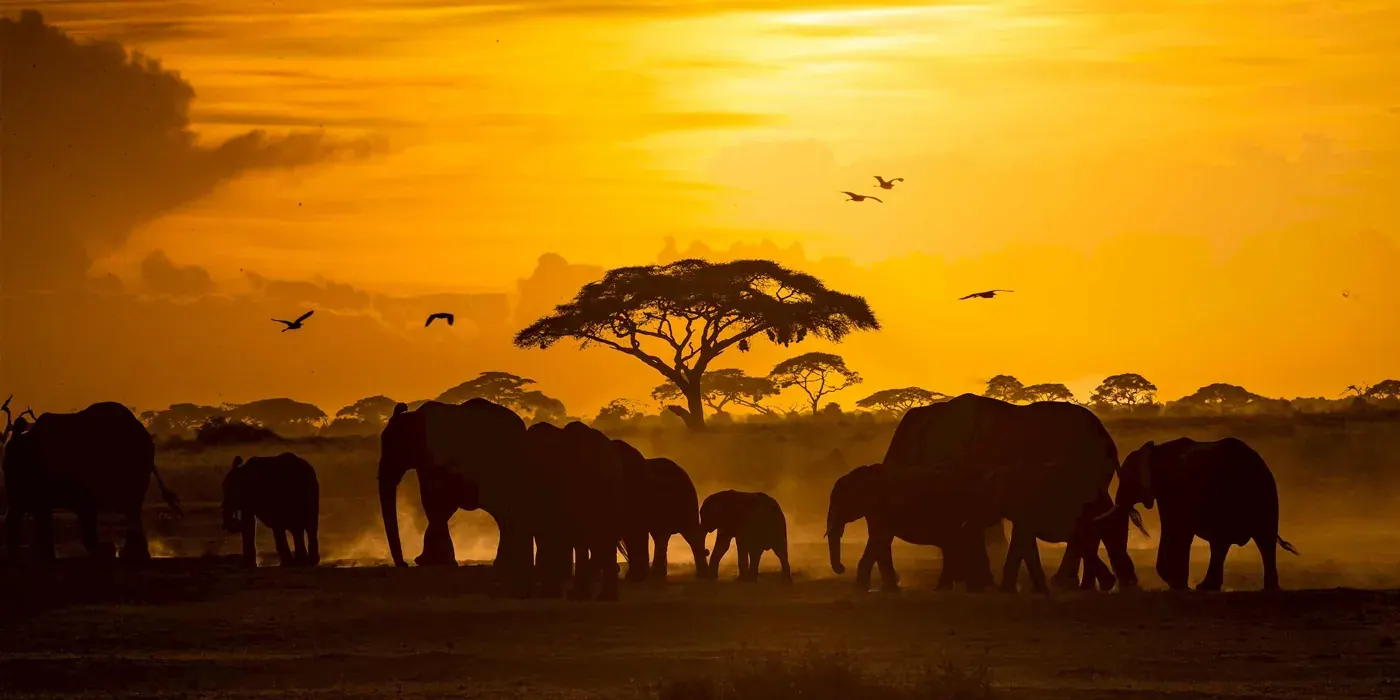
The Great Migration is never a single event, but a continuous, year-round voyage driven by rainfall, fresh sweet grasses, and instinct. Over 1.5 million wildebeest, accompanied by 300,000 zebras and Thomson’s gazelles, trace a clockwise loop of nearly 1,800 miles across Tanzania's Serengeti and Kenya's Masai Mara.
When the herds reach the northern boundary of the Mara in July, they encounter their greatest obstacle: the swollen, crocodile-infested Mara and Talek Rivers. To stand on the riverbank as dust plumes rise and thousands of hooves thunder down the muddy banks is an encounter that resonates in the bones.
Choosing the Right Conservancy vs. National Reserve
One of the most frequent dilemmas for discerning safari travellers is where to base themselves. While the Masai Mara National Reserve contains the iconic river crossing points, it can attract higher vehicle density during peak season.
We regularly place our guests in adjacent private conservancies like Mara North, Olare Motorogi, or Naboisho. These protected wildlife areas maintain strict vehicle limits per sighting, allow guided bush walks, and operate night safaris—while granting unrestricted day access to the main river points.
Key Advice for Photographers
Light changes rapidly on the equator. Golden hour between 06:15 and 07:30 gives the golden savannah grass an otherworldly warmth. Equip yourself with a 100-400mm or 70-200mm zoom lens on one body, and keep a wider 24-70mm lens ready for dramatic landscape perspectives when a thunderstorm rolls across the escarpment.
Pack neutral earth-tone layers: mornings on game drives in open 4x4 Land Cruisers are brisk (around 12°C/54°F), warming quickly to 27°C (80°F) by midday.